
Case Study
CLIMBING THERAPY
Role: Founder, psychologist, team lead
This is a story about building an association, a team and developing a method to use climbing in children's therapy
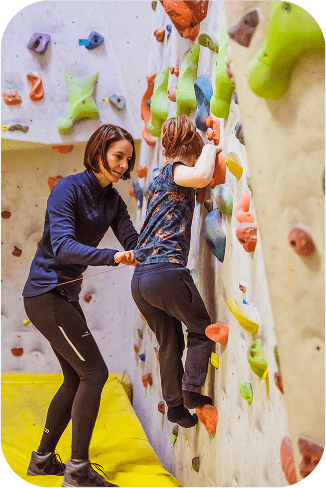
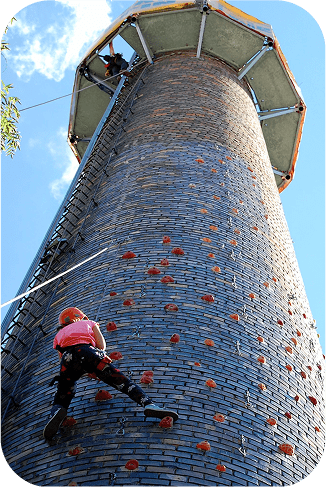
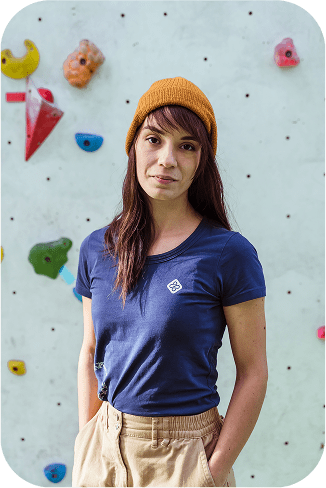
This is a story about building an association, a team and developing a method to use climbing in children's therapy
Project purpose: : In this case study, I share the story of our climbing therapy association (2015–2025) through the lens of design thinking. From the first idea to a fully developed methodology in practice, I highlight the key challenges we faced and the solutions our team implemented along the way. It is also a story of two young, inexperienced women building a team and growing through a continuous cycle of observing, reflecting, and creating.
The idea of using climbing for therapeutic purposes first emerged during our university years. As psychology students, we knew we wanted to work creatively within the field, combining our passion for psychology with something dynamic and hands-on. Since we were both passionate about climbing, we began exploring ways to merge our professional aspirations with our love for the sport—finding a way to work as psychologists while spending time on the climbing wall and sharing the experience with others
We experienced the positive effects of climbing and the climbing community on our mental health every day, which led us to dive deeper into research on climbing therapy. We read every scientific article we could find—though back then, there weren’t many. Adventure and wilderness therapy were more widely studied than climbing therapy, but we still uncovered valuable insights. We learned that climbing was already being used in clinical settings in Germany and Austria, where it was an effective complementary therapy for depression, anxiety, and ADHD.
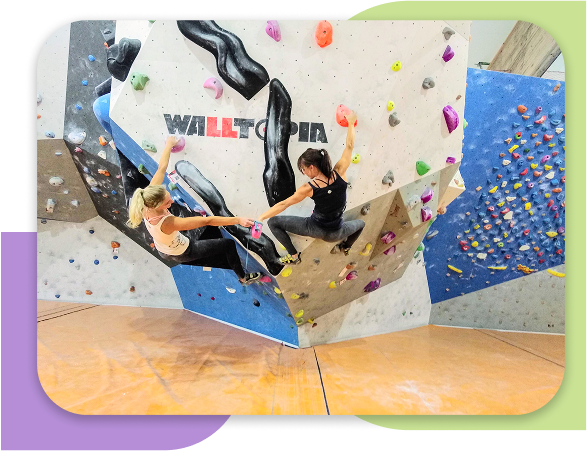
In September 2015, we reached out to the biggest climbing gym in Budapest. The manager was open and supportive when we shared our vision of organizing therapy groups for children and using climbing as a therapeutic tool. He saw a gap in their offerings:
During our research, we found one association, Hópárduc Alapítvány, which used climbing for physical development in children. However, we knew we wanted to work within a psychological framework, focusing on mental and emotional growth rather than just physical progress.
Using a German study as our foundation, we structured our own 8-week pilot program. To bring our idea to life, we reached out to primary schools and pedagogical services, presenting our plans to school principals.
At this early stage, our methodology was mostly theoretical, and the idea of starting something entirely new felt intimidating. We found ourselves navigating uncharted territory, balancing enthusiasm with self-doubt. Convincing school leaders—and eventually, parents—required confidence and assertiveness. We had to believe in our vision before we could persuade others to believe in it too.

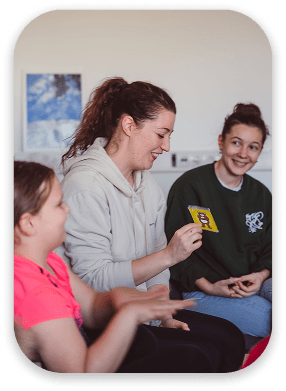

After completing our 8-week trial program, we identified key boundaries and best practices to structure our therapy more effectively:
These adjustments helped us create a more structured and effective climbing therapy experience, ensuring both children and their families received the support they needed.
We phrased our How Might We:
As our association grew, we realized the importance of having a strong visual identity. With the help of a graphic designer, we developed our own branding—creating a logo, color palette, and typography that reflected our mission. This process was more than just design; it helped us solidify who we were, how we presented ourselves, and how others recognized us within the climbing and therapeutic communities.


Our logo depicts a figure-eight knot made from climbing rope, symbolizing safety and trust—two of our core values. The shape also resembles the infinity symbol, representing lifelong growth, self-discovery, and continuous learning about ourselves and others. Just like in climbing, there is always more to explore."
During our first two years, we learned invaluable lessons that shaped our approach. We had to figure out how to:
These experiences helped us refine our methodology and solidify our presence in both the climbing and therapeutic communities.

Therapy groups remained our primary focus, and by 2017, demand had grown so much that we had a waiting list. To better serve children and families, we expanded our offerings to include:
As our project expanded, we remained committed to self-improvement. One major milestone was attending an experiential therapy training, which deepened our understanding of therapeutic approaches.
Following the training, we reached out to one of our instructors to become our supervisor and coach—a role he held for several years. His guidance played a crucial role in our development, helping us make key decisions such as:
- Expanding our team
- Establishing our own brand
- Applying for funding
- Organizing our own trainings
- Navigating difficult therapy cases
By 2018, we had gained enough confidence to participate in the Therapeutic Climbing in Experiential Education & Psychotherapy course in Austria, further refining our skills.


.png)
At the same time, we gradually expanded our team, welcoming psychologists and special needs educators. It was no longer a two-person initiative, so we dedicated significant time to developing methodologies, protocols, and templates to ensure the continuity and quality of our work.
As our team grew, new challenges emerged. The biggest hurdle was that each of us had other jobs alongside climbing therapy, making it difficult to find common time slots for meetings and team discussions. We had to plan far ahead, yet remain flexible—some situations required immediate crisis intervention, often leading to late-night meetings.
To navigate these challenges, we introduced new methods and techniques to improve problem-solving and communication within the team. But beyond logistics, we also pushed our own limits:

There were no immediate right answers—only trial and adjustment. We tested, adapted, and refined our approach until we found what worked best.
Beyond improving their climbing skills, many overcame their anxieties, learned to cope with frustration and anger, and developed greater self-awareness.
Another key factor in our growth was the trust and loyalty of parents. Their gratitude and continued support allowed us to expand and sustain our work for several years.
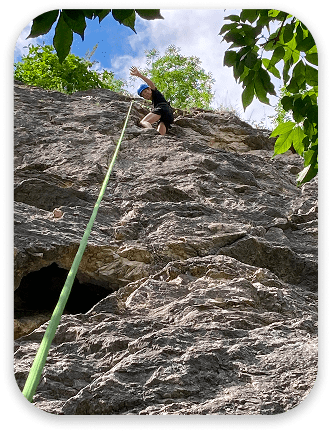


Another sign of our success was the growing interest from external organizations. We received collaboration requests from companies and institutions such as MVM and UNICEF, recognizing the value of our work. Additionally, we were awarded funding twice by the MOL Új Európa Alapítvány, enabling us to organize outdoor programs for families in need and invest in new climbing equipment.


Our association began with little experience but an immense passion for helping children build mental resilience. In that, we believe we have achieved so much.
However, growth came with challenges. We had to constantly adapt to external changes—whether it was rising rental fees, the relocation of experienced trainers, or the financial struggles of families. Throughout these obstacles, we remained committed to learning, teamwork, and problem-solving.

As founders, we carried significant responsibilities—not only as therapists but also as business managers, team leaders, and facilitators of an extreme sport where safety is paramount.
Over time, our career paths began to shift, and we eventually passed the leadership role to a dedicated colleague who continues to run the association with our support in the background.
Though we now operate at a smaller capacity—with fewer groups and a focus on individual therapy—the work continues.We hope that our efforts will leave a lasting impact and that—


